Aircrew Parachute Harness/Pack – Vulcan & Victor Crew Seats: Aviation Harness and Pack System
Aircrew Parachute Harness/Pack – Vulcan & Victor Crew Seats: Aviation Harness and Pack System
Blog Article
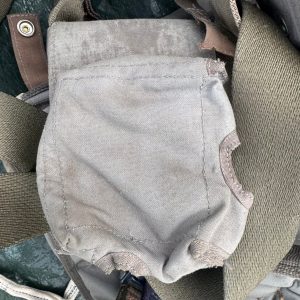
The Aircrew Parachute Harness/Pack – Vulcan & Victor Crew Seats combines historical aviation interest, crew-seat integration potential, harness construction, and emergency-equipment significance.
An Aviation Parachute Harness and Pilot Parachute Harness should be identified through labels, part numbers, manufacturing records, and configuration-specific information.
An Aircraft Emergency Parachute Harness, Aircrew Safety Harness, Flight Crew Parachute Harness, Emergency Parachute Harness, and Military Aircrew Harness all describe safety-related equipment intended to secure aircrew within compatible parachute or escape systems.
Accurate descriptions of Aircraft Crew Safety Equipment and Aircrew Emergency Equipment support better purchasing decisions and stronger SEO performance.
Aircraft Parachute Equipment offers the strongest value when condition, origin, markings, storage history, and intended sale status are disclosed transparently.
Key Details of the Crew-Seat Parachute System
Different seats, crew roles, equipment updates, maintenance programs, and production periods may have used variations in harness, pack, fittings, or attachment arrangement.
The listing should explain whether the item includes the harness only, pack only, container, straps, fittings, seat connections, release hardware, padding, labels, or additional components.
Inspecting an Aviation Parachute Harness
An Aviation Parachute Harness typically relies on load-bearing webbing, reinforced stitching, metal fittings, adjustment hardware, attachment points, and configuration-specific connections.
Stitching should be reviewed for broken threads, fading, contamination, pulled sections, loose patterns, unauthorized repair, and separation from the webbing.
Evaluating Harness Size and Fit
Historic equipment intended for display should remain clearly separated from equipment evaluated for operational use.
Buckles and adjusters should move without excessive force, binding, corrosion, cracking, deformation, or damage to adjacent webbing.
Understanding Emergency Parachute Attachment
An Aircraft Emergency Parachute Harness is intended to connect the wearer securely with a compatible parachute and escape system during emergency procedures.
Attachment points should be checked for deformation, wear, corrosion, cracks, missing components, incorrect hardware, and evidence of loading or repair.
Choosing an Aircrew Safety Harness
An Aircrew Safety Harness may serve as part of a parachute, restraint, escape, survival, or crew-seat equipment system depending on its exact design.
The assembly should receive padded support that preserves its natural shape without stretching straps.
Flight Crew Parachute Harness Condition
Detailed condition reporting creates a more credible and commercially useful listing.
The seller should disclose whether the harness has been professionally inspected, displayed, stored, worn, repaired, cleaned, or tested.
Emergency Harness Storage Review
The pack or container should be examined separately for fabric deterioration, closures, contamination, deformation, and missing components.
Professional advice may be appropriate when preservation or safety classification remains uncertain.
Military Aircrew Harness Heritage
Incomplete items can still provide useful reference, restoration, or educational value.
Museums and display builders may use the harness/pack to complete a crew-seat installation, cockpit here exhibit, training display, or aviation-history presentation.
Aviation Emergency Escape Harness System
A complete-looking harness/pack should not be represented as a complete escape system without supporting information.
Connections intended to interface with a crew seat should be photographed and measured carefully.
Parachute Harness Assembly Components
Completeness should be described through visible evidence and available records.
A detailed inventory can increase the commercial value of an incomplete Parachute Harness Assembly.
Historic Aircraft Safety Components
Aircraft Crew Safety Equipment may include harnesses, parachute packs, helmets, oxygen equipment, survival gear, restraints, life preservers, and emergency signaling devices.
Original dirt, markings, or wear may provide useful historical evidence.
Aircrew Emergency Equipment Applications
Historical context can be as important as cosmetic condition.
Modern additions used for display should remain distinguishable from original components.
Military Pilot Escape Equipment
A previous inspection stamp does not establish current suitability.
When internal contents are unknown, the listing should state that clearly.
Historic Harness Display Planning
Its visual impact is enhanced when straps, pack, fittings, labels, and attachments remain arranged accurately.
Handling can accelerate webbing wear and damage original fittings.
Buying Historic Aircrew Equipment
A collector may prioritize originality and aircraft association, while a restoration buyer may focus on matching fittings and seat compatibility.
Price should reflect the complete evidence rather than aircraft-name keywords alone.
Military Parachute Component Matching
Aircraft Parachute Equipment should be matched through exact part numbers, aircraft type, crew position, seat model, connection method, and period-specific configuration.
Any uncertain connection should remain unforced and documented.
Aircrew Harness Pre-Purchase Checklist
Photographs should show every major surface and identification marking.
- Verify whether the harness, pack, fittings, connectors, straps, and seat-interface components belong to one original configuration.
- Inspect webbing for fading, stiffness, fraying, cuts, abrasion, mildew, stains, chemical damage, burned areas, pulled fibers, and unauthorized repairs.
- Inspect and photograph the item immediately after delivery before cleaning, opening, adjusting, mounting, repairing, or separating components.
Long-Term Harness and Pack Care
The harness and pack should be stored in a clean, dry, stable environment with moderate temperature, controlled humidity, limited light, and protection from pests.
Silica products or humidity-control materials should not contact the harness directly.
Crew-Seat Harness Display Installation
A crew-seat display should support the pack in a way that reduces weight on aged straps, fittings, and adjustment points.
Interpretive material can explain the relationship between the harness, pack, crew seat, aircraft role, and emergency system.
Aircrew Harness Condition Monitoring
Routine care may include careful dust removal, hardware observation, strap support, condition photography, and environmental monitoring.
Repairs intended for display should remain reversible and clearly documented.
Choosing the Aircrew Parachute Harness/Pack – Vulcan & Victor Crew Seats
When carefully inspected, stored, documented, conserved, and displayed, the Aircrew Parachute Harness/Pack – Vulcan & Victor Crew Seats can remain a valuable military aviation artifact.
Careful technical, historical, and commercial evaluation can reduce authenticity concerns, condition surprises, missing-component costs, and unsuitable-use assumptions.
Whether the assembly is purchased for restoration, research, display, reference, collection, or specialist evaluation, transparent documentation and responsible handling provide the strongest foundation.
With verified provenance, careful inspection, protected storage, reversible display methods, organized documentation, and responsible conservation, the harness/pack can provide lasting historical value.
Report this page